Chapter 1 of 13 · 4 min read
The Narrator
What makes a DN different, and the three pillars of DN authority.
What Makes a DN Different#
The Dungeon Narrator isn't just running a game - you're the final authority on how the world responds to your players. Traditional games follow the books closely, looking up the hundreds of rules, maybe bending a rule here or there. You? You're writing the missing details in real time for their table.
Here's the shift: A traditional adjudicates rules. A DN interprets reality.
When a player says "I want to shove him off the cliff with my shield," the other games flips through combat maneuver charts. The DN thinks: How big are they? How braced are they? What's the player's momentum? What feels right for this moment?
You're not bound by these books - you're guided by them. Open Dungeons books are your foundation, not your ceiling. But with that freedom comes responsibility. Every ruling you make sets a precedent. Every "yes" or "no" teaches your players what kind of world they're playing in.
The Three Pillars of DN Authority#
First, rulings over rules. When the books don't cover it, you decide. Fast. Confidently. You can always refine it later. Picture this: Your player wants to use their rope and grappling hook to swing across a chasm while the goblin archers fire at them. There's no "cinematic rope swing" table in the books. So you make the call. Maybe it's an Dexterity Chance Roll, TN 15 (TN: Target Number is a value of difficulty that a player rolls 1d20 + ability bonus to roll equal to or higher for success). Done. Game con tinues. The moment doesn't break while you hunt for the "correct" answer because there isn't one. There's only your answer, and that's enough.
Second, consistency over creativity. A brilliant ruling that contradicts your previous call breaks immersion harder than a boring but reliable one. Think of it like physics in your world. Gravity doesn't change based on what would be cooler in the moment. Neither should your core mechanics. Your players are building mental models of what's possible. Don't pull the rug out from under them.
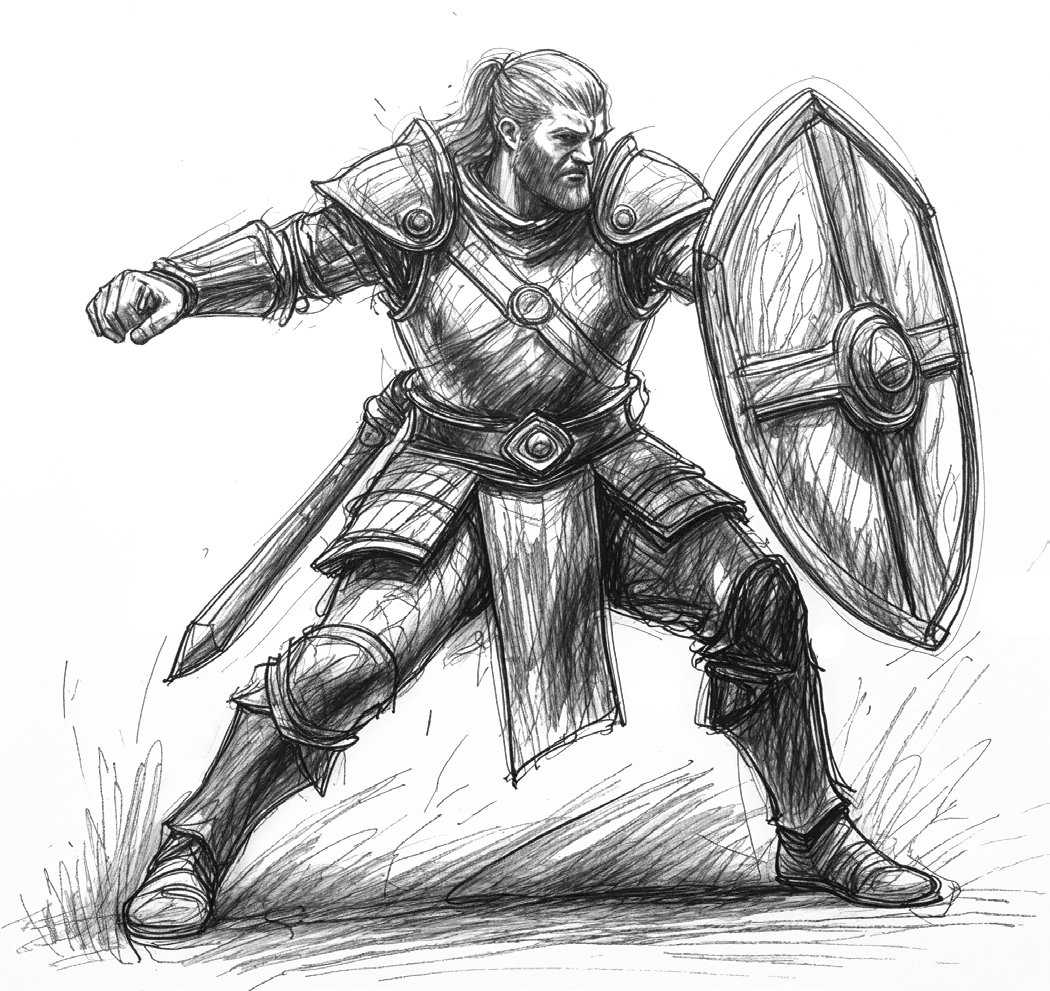
Third, consequence over spectacle. Players remember how their choices mattered, not how many dice they rolled. When the fighter uses their shield bash to knock the cultist into the summoning circle, disrupting the ritual, that's memorable. Not because you let them roll a big damage die, but because their tactical thinking changed the entire encounter. You're not here to dazzle them with effects. You're here to make their decisions count.
The DN's Real Job#
You know what players actually want? They want to feel like they're in a living world that reacts to them logically. When they pour oil on the floor and light it, they want the enemies to slip or burn. When they befriend the blacksmith, they want better prices or a tip about the bandit camp. When they ignore the warning signs and charge into the dragon's lair at level three, they want to face real danger.
Traditional games sometimes protect players from their own choices. DNs let the world respond authentically. The dragon doesn't scale to their level. The dragon is what it is. If they're smart, they'll run, negotiate, or come back stronger. That's not punishment, that's respect. You're treating them like people in a real world, not characters in a balanced video game encounter.
Here's an example that shows the difference. A player wants to intimidate a guard by grabbing his spear and snapping it in half. A traditional game checks the rules for breaking objects, calls for a Strength check against the spear's hardness rating, and adjudicates mechanically. A DN thinks about the story. Is this player character strong enough that this would be impressive? Is this guard the type to be cowed by displays of strength, or will it make him call for backup? What does this spear mean to him - is it standard issue or a family heirloom? The ruling becomes: "Sure, you can snap it. Strength Chance Roll. If you succeed, he's rattled but also now weaponless and desperate. How do you want to handle this?"
See the difference?
The DN ruling creates forward momentum and consequence. The mechanical ruling just tells you if the spear breaks.
When to Channel Your Inner DN#
Any time a player says "Can I..." and the answer isn't clearly in the books, you're in DN territory. Any time the rules would produce a result that feels wrong for the fiction, you're in DN territory. Any time you need to decide how the world reacts to something unexpected, you're in DN territory.
That's most of the game, by the way. The books cover the common cases. You cover everything else, which turns out to be where the magic happens.