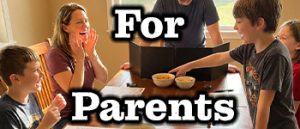
Why Parents Should Play?
Open Dungeons is a free tabletop roleplaying game for families too. If you've been googling "easy RPG for parents" you've found what you're looking for.
Here's the deal: it's completely free, takes little time to learn, you'll read today, play tonight. Works for young children also. No expensive rulebooks, no confusing math, no commitment beyond "let's try this after dinner."
Parents are hunting for family-friendly TTRPGs because they want something that builds imagination instead of burning through screen time. Open Dungeons delivers exactly that, without the intimidation factor of traditional roleplaying games.
Less Screen Time, More Actual Conversation
Your kid already spends enough time staring at devices. A tabletop RPG like Open Dungeons gets everyone sitting together, talking, and actually looking at each other. The storytelling happens out loud. The decisions get discussed. The victories feel shared.
It's cooperative instead of competitive, which means no one's sulking because they lost at Mario Kart again.
Building Skills That Matter
When kids play TTRPGs, they're practicing real communication. They have to explain what their character wants to do. They negotiate with other players. They problem-solve when the dragon blocks their path or the treasure chest won't open.
This isn't just fun. It's practicing confidence, creativity, and thinking through consequences. All while they think they're just playing pretend.
Better Value Than Most Board Games
Board games cost $30-60 and get boring after a few plays. Open Dungeons is free and infinitely replayable because the story changes every time. Your kid's imagination is the content engine, not a box of predetermined cards.
Rules Parents Can Learn While Making Coffee
The entire core system fits tightly. No dense manuals. No hidden complexity that ambushes you on page 347 subscript. Open Dungeons, you read the basics, use the Cheat Sheet, make a character with your kid, and you're playing.
The math is simple too.
It Grows With Your Kids
Younger kids can run through simple "find the lost puppy" adventures. Tweens (9-12) can handle full dungeon crawls with treasure and traps. Teens can run their own games for their friends and siblings.
The system doesn't talk down to anyone. It just scales naturally based on how complex you want the adventure story to be.
Actually Free, Not "Free to Start"
There's no paywall. No "buy the expansion to unlock the good stuff." You download two PDFs - the Core Guide, Character Builder, etc. and you have everything you need. Forever.
If you want to throw a few dollars at the creator later because your family loves it, great. But you can play for a long time without spending a cent.
What Kids Actually Learn While Playing
The Soft Skills They Need Anyway
Problem-solving: "The bridge is broken. How do we cross the river?"
Teamwork: "Should we sneak past the guards or ask them for help?"
Creativity: "I want to use my rope and the tree branch to make a trap."
Emotional regulation: Waiting for your turn when you really want to do something cool right now.
These are the skills that matter in school, friendships, and basically all of life. Open Dungeons sneaks them in while your kid thinks they're just fighting goblins.
Reading and Listening Practice That Doesn't Feel Like Homework
You read the scenario. Your kid listens and asks questions. They describe what they want their character to do. You respond to what they said.
It's back-and-forth conversation built around a story, which means they're processing language, following narrative threads, and practicing comprehension without realizing it's educational.
What Works for Each Age Group
Ages 6-8: Keep It Simple and Visual
Short adventures work best. "A friendly wizard needs help finding his lost spell book." Let them draw their character. Use toys as stand-ins for heroes and monsters. Keep sessions to 15-20 minutes.
Ages 9-12: Full Adventures With Real Stakes
These kids can handle longer quests, actual danger, and more complex problems. They'll want treasure, they'll want to level up, and they'll surprise you with creative solutions you never thought of.
Ages 13+: Hand Them the Reins
Teens can run games for younger siblings or friends. They can build their own adventures. They can handle complexity and layered stories. At this point, you're just facilitating their creativity.
How to Start Playing Today
Step 1: Download Free PDFs
Go grab the Core Guide, Character Builder, etc. from the Open Dungeons website. Save PDFs to your computer or digital device.
Step 2: Make a Character Together (Takes Minutes)
Your kid picks:
- A class (fighter, wizard, rogue, cleric)
- A race (elf, gnome, etc.)
- A name
- Roll Ability Scores
- Some starting items
Write it on a scrap of paper. Done. Or you can use the character generator: Character Generator
Step 3: Start the First Scene
Read them a single paragraph: "You're walking through the forest when you hear someone crying for help. What do you do?"
Then let them tell you what their character does. When they try something risky or difficult, they roll the d20. You tell them what happens based on the roll.
That's the entire game.
Tips for Parents Who've Never Done This Before
You don't need to know fantasy lore. You don't need to memorize 100's of rules. You definitely don't need to do voices (though kids find it hilarious if you at least try).
If your kid asks, "Can I use my rope to swing across the gap?" and you're not sure if that's allowed, just say "Roll above a 13 or higher with a 1d20 and let's see if it works." Make a quick ruling and keep going.
Keep sessions short. Twenty minutes is plenty for younger kids. Stop when energy fades, not when you hit some arbitrary ending point. You can always continue next time.
Keeping It Safe and Comfortable
Age-Appropriate Content
You control the story, so keep it light. Monsters can be "defeated" without graphic descriptions. Conflicts can be solved with cleverness instead of violence. Think Saturday morning cartoon, not Game of Thrones.
Handling Different Personalities
Shy kids can play bold characters. Loud kids sometimes surprise you by playing quiet, thoughtful characters. Let them explore different ways of being without pressure.
If someone gets overwhelmed or silly, take a break. This is supposed to be fun, not stressful.
Basic Table Rules
- Everyone gets a turn to speak
- Silliness is fine, but we listen when someone's trying to talk
These aren't unique to RPGs. They're just good family communication habits.
Common Parent Questions
"Is this like Dungeons & Dragons or Pathfinder 2e?"
Yes and no, but simpler. D&D and Pathfinder 2e have hundreds of pages of rules. Open Dungeons has the essentials and gets out of your way, allow the DN, the Dungeon Narrator to have agency.
"Can my six-year-old actually play this?"
Yes. Keep the story simple, help them with the math, and be patient. They'll get it faster than you think.
"Do I need to buy dice or books?"
You need some dice, pencils, paper. Everything else is free PDFs. You can even use a dice app on your phone if you want zero physical purchases.
"How long does a session take?"
However long you want. Fifteen minutes works. An hour works. There's no mandatory length. Stop when it feels right.
"What if my kid gets bored or goofy?"
Then you stop and try again another time. Or you lean into the goofiness and let the story get weird. There's no wrong way to do this as long as everyone's having fun.
Why Busy Parents Love This
You can play for twenty minutes between homework and bedtime. You can pause mid-adventure and pick it up next week. There's no setup beyond "grab the dice." There's no teardown beyond "okay, we're done."
Your kid will remember the time you played pretend together. They won't remember the night you scrolled your phone while they watched YouTube.
This game respects your time by requiring almost none of it - just attention and a willingness to say "yes, you can try that."
Optional Ways to Make It More Fun
Let your kids draw their characters and the monsters they fight. Use LEGO figures or stuffed animals as playing pieces. Make "treasure tokens" out of cardboard and let them decorate them.
Let kids narrate victories in their own words: "I jump over the trap and grab the gem!" Build a blanket fort and play inside for atmosphere.
None of this is required. But if you have ten extra minutes and your kid's into it, these touches make it feel more real.
Try It Tonight With Your Kid
Here's your homework: download the free PDFs and Cheat Sheet, make a character with your child, and play for ten minutes. Just ten. See if they light up when they describe what their hero does. See if they ask to play again tomorrow.
Open Dungeons exists because families need easy, screen-free ways to connect. It's built for parents who've never played a tabletop RPG before and kids who just want to go on an adventure.
You don't need experience. You don't need money. You just need several minutes and a willingness to try something different.
The books are free. The time investment is minimal. The worst case is you spent ten minutes playing pretend with your kid.
The best case is you find something you do together for years.